


Predictive Maintenance with Real Time Bolt Force Data
From Scheduled Checks to Predictive Maintenance with Real Time Bolt Data
Predictive maintenance is often presented as a promising solution. However, it ultimately leads to one crucial question: Can you gather enough information early enough to intervene before a failure disrupts your operations? For many assets, the reality remains that the answer is still no. Maintenance teams typically depend on routine inspections, torque checks, and visual assessments of bolts, joints, and structural components.
While these methods are well-known and essential, they provide just a snapshot in time. They do not account for how forces and bolt tension fluctuate during storms, peak production periods, or unexpected events. Consequently, issues in vital connections can accumulate quietly between inspections.
This blog explores predictive maintenance by examining force and bolt behaviour. It explains what predictive maintenance truly means, how force and tension data can enhance condition based maintenance, and how real-time bolt data can lead to reduced downtime and better data insights without adding unnecessary complexity.
Why Traditional Maintenance Still Misses Critical Forces
Many maintenance strategies are used to focus on set time intervals. Equipment is taken offline, technicians inspect the site, check components, tighten bolts as necessary, and then restart the machinery. This method provides a systematic approach, but it also has obvious shortcomings.
Visual inspections and torque checks offer a glimpse into the condition of connections on the day of the check. However, they don’t reveal how the clamping force has changed over the prior weeks or how loads may shift with different operating conditions. Factors like human judgment, limited access, and time constraints can introduce further inconsistencies.
As a result, in many systems, problems like preload loss, fatigue, or local overload can develop without notice between inspections. By the time these issues are recognised, the connection may have experienced significant stress for an extended time. While traditional maintenance can prevent some failures, it often falls short in providing early warnings about what is actually happening within the structure.
What Predictive Maintenance Really Means
Predictive maintenance can often be summed up as “fix it before it breaks.” However, the reality is more detailed. This approach involves analysing trends in measured behaviour to predict when a part or connection might go beyond its safe operating limits, allowing for proactive action before issues arise.
A working predictive maintenance setup usually contains four elements:
Sensors to capture relevant signals in real time
Condition indicators that reflect true asset health
Thresholds or models that translate behaviour into risk
Workflows that trigger targeted interventions when needed
The effectiveness of predictive maintenance largely relies on the type of data used. If the system only detects indirect signals, like general vibration levels or temperature fluctuations, it could overlook the actual cause of a problem. For structures that depend on bolted joints, measuring the force in those joints provides critical information for ensuring reliability.
There is a strong link between predictive maintenance and condition based maintenance. Condition based maintenance focuses on the actual state of a system to determine when maintenance is needed. Predictive maintenance enhances this by forecasting how the condition may change over time.

Why Bolt Tension Measurement is a Strong Signal.
Many important structures rely on bolted joints to carry loads. Towers, bridges, rail systems, cranes, refineries, and production lines all depend on thousands of fasteners to maintain the correct clamp force for many years.
To protect these assets through predictive maintenance, we need to understand how clamp force acts during actual use. The force in bolts is directly affected by changes in structural load, misalignment, and external factors. This makes bolt forces a key indicator of overall performance.
Measuring Bolt Tension over Time Reveals Patterns that Other Sensors may Overlook:
- Slow loss of preload due to settlement, relacation or corrosion
- Sudden shifts in tension after extreme events or incorrect handling
- Dynamic behaviour caused by cycles, resonance or unusual loading.
These patterns generate data signals that are closely tied to how the joint actually functions. They transform fasteners from mere hardware into ongoing sources of diagnostic information. For reliability engineering, this is significant because it reveals the real behaviour of joints rather than what was anticipated in theory.
From Time Based to Condition Based Maintenance.
Once you gather continuous data on force and tension from a few essential joints, you can shift away from maintenance based solely on time. Instead, you can establish straightforward condition-based rules:
- Retorque when the preload loss exceeds a certain level
- Inspect a joint when its tension trend deviates from neighbouring bolts
- Investigate design assumptions if the measured load stay consistently high
Scheduled maintenance does not vanish; it simply becomes more targeted. Stable joints require less attention, while those showing changes in behaviour need more focus. In practice, this approach leads to clearer priorities, more efficient use of resources, and a measurable downtime reduction.
What Kind of Bolt Data Predictive Maintenance Needs
Predictive maintenance for bolted joints doesn’t require constant data every microsecond, but having the right information is essential. For most cases, this involves establishing a baseline clamp force after installation, monitoring gradual changes in bolt tension over days or weeks, and identifying clear indicators when forces exceed an agreed range during operation or weather events. From these signals, you can create straightforward condition indicators: stable joints, joints that show a predictable loss of preload that can be managed during planned maintenance, and those with irregular behaviour that warrant further examination. Collectively, these patterns in bolt force provide diagnostic data that enhances reliability engineering, allowing asset models to reflect actual performance rather than just design expectations. Over time, this turns simple bolt readings into a structured form of condition monitoring for critical joints.
Starting Small with Databolt and Real Time Bolt Data
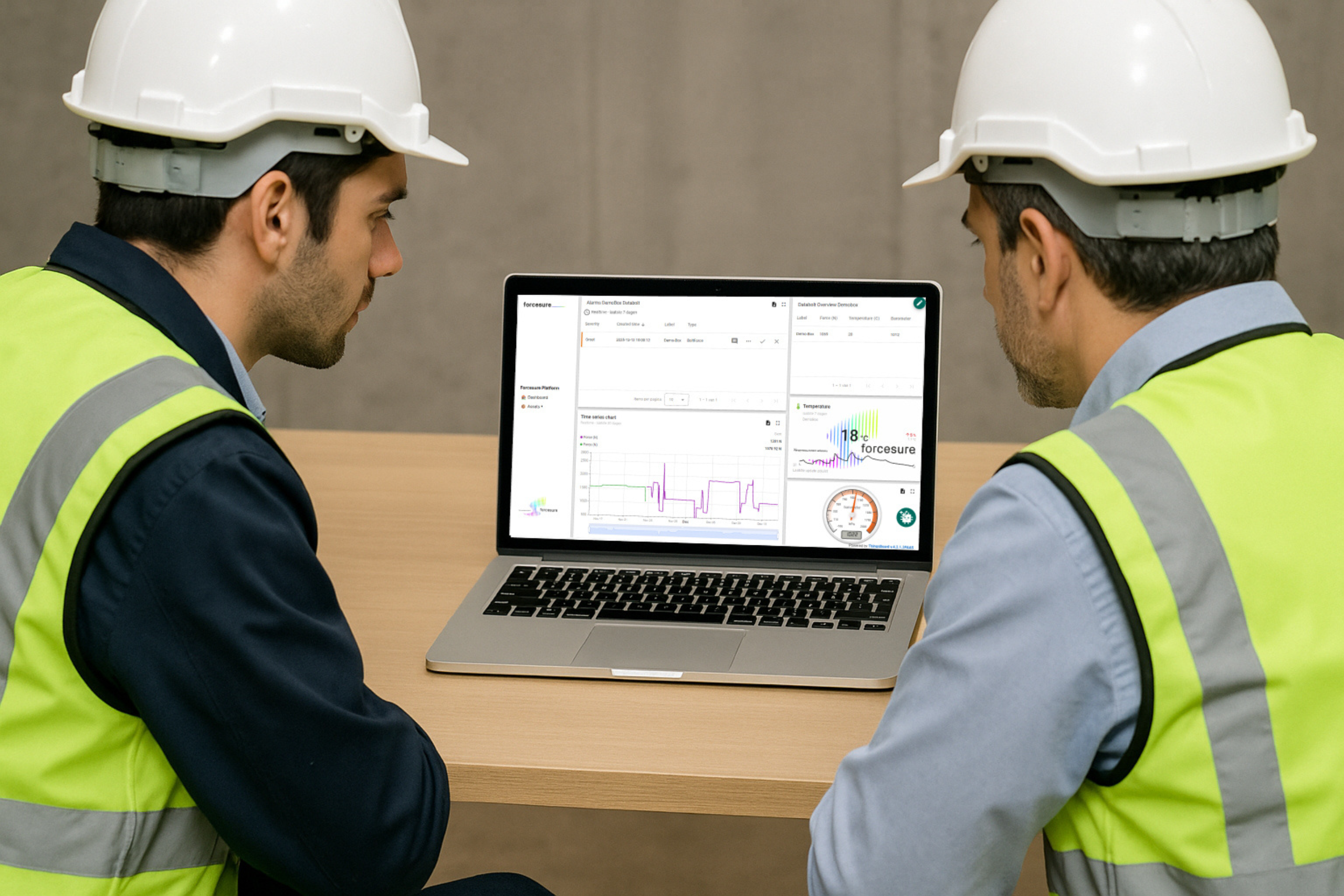
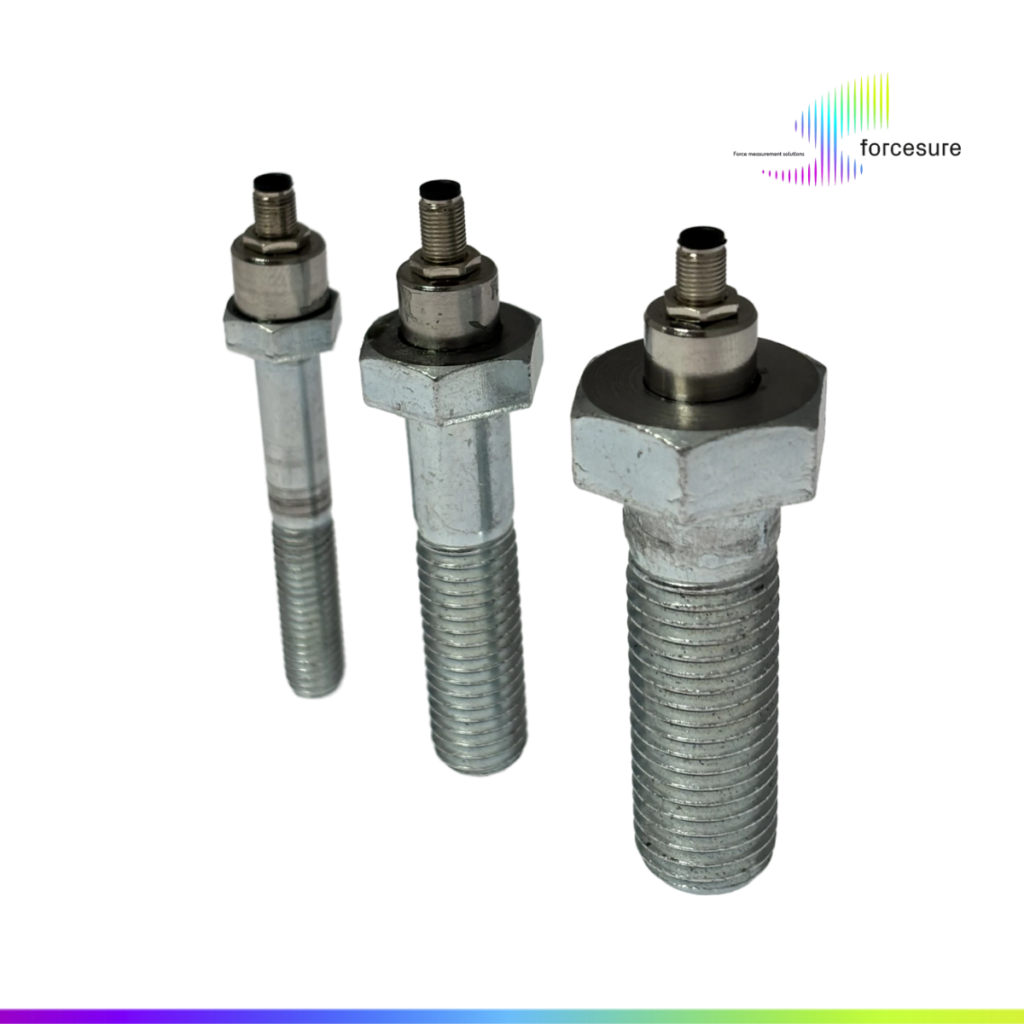
Databolt, a smart bolt with an integrated force sensor, can be installed in a flange connection in an energy or infrastructure asset. Several critical bolts are fitted with tension measurement tools. Under normal conditions, their force trends stay within a narrow band. However, over time, one bolt begins to show a slow but steady loss of preload, while the others remain consistent. The system alerts this as an early warning. Maintenance planning can then schedule a focused intervention on that specific joint, coordinating the visit with other necessary work and examining whether local stiffness, alignment, or supports differ from the original design. Instead of detecting the issue during a failure or shutdown, predictive maintenance turns small changes in bolt activity into timely, condition based maintenance tasks, significantly reducing downtime.
Turning Bolt Data Into Decisions
Predictive maintenance creates value only if bolt data leads to decisive actions. This means determining which joints are truly vital for asset health and operational safety, defining operational limit states and correlating them with concrete work orders in the maintenance planning system. Regular discussions between maintenance and engineering teams close the loop, turning experience on-site back into thresholds, models, and service planning. Bolt force and tension measurement thus progresses from technical trial to practical tool to support smart decision-making, safer operations, and less unplanned downtime. If you want to explore what a pilot could look like in your own assets, a small Databolt setup on one critical connection is often enough to get started.
Leave a Reply