


Bolted joints and joint integrity: why clamp force matters more than a torque check
Why bolted joints are harder to assess than they look
In other words, a joint can pass an inspection and still be drifting away from its intended condition.
What a torque check really tells you
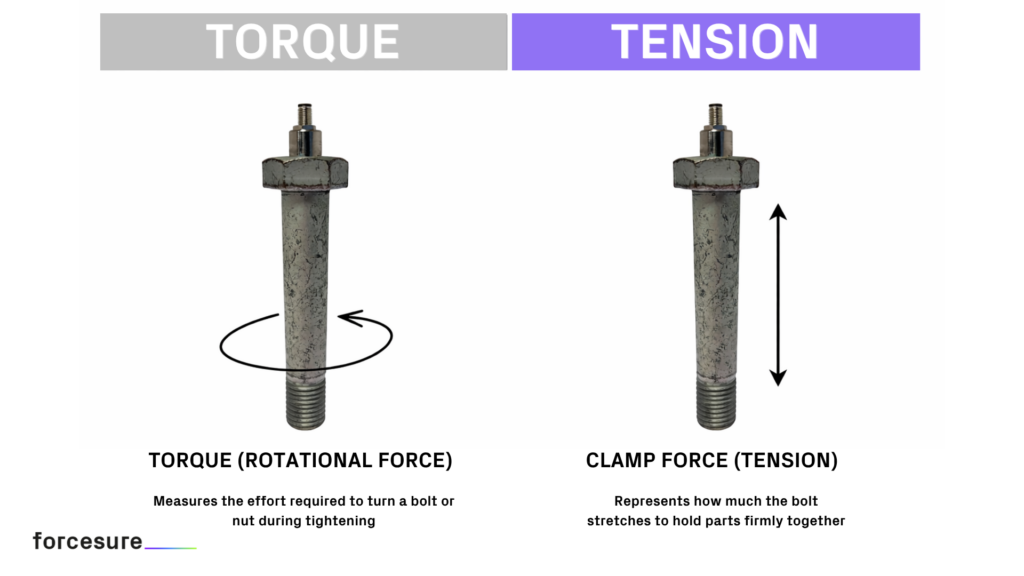
Torque is often used because it is accessible. During installation, it can be part of a practical tightening method. Later on, it is sometimes used as a follow-up check to assess whether a bolt still appears to be within expectation. The problem is that torque is an indirect input, not a direct measurement of the force holding the joint together.
A torque reading is influenced by more than clamp force alone. Friction under the bolt head, friction in the threads, surface condition, lubrication, contamination, wear, and assembly variation can all affect the relationship between applied torque and the tension created in the bolt. Consequently, two bolts tightened to the same torque can still end up with different clamp force levels.
That matters because joint integrity depends far more on the actual clamping condition of the joint than on the torque value that happened to be applied or checked. A torque check may tell you something about resistance to turning at that moment, but it does not necessarily tell you how much force is still being maintained across the connection.
So while torque can be useful in a procedure, it is not a particularly solid KPI for connection health on its own.
Why clamp force is closer to real joint integrity
Clamp force, by contrast, is much closer to the physical condition that makes a bolted joint work. It reflects the tension in the bolt and the compressive force holding the joint members together. If that force changes, the behaviour of the connection can change with it.
Why this matters for structural bolted joints and critical connections
For many structural joints, the real challenge is not simply whether a bolt was installed correctly on day one. The challenge is whether the joint continues to behave as expected during operation, loading cycles, environmental change, or long service periods.
This is where traditional maintenance logic often leaves a gap. Visual inspections may still be necessary. Manual inspections may still be part of a sound routine. Yet neither method gives direct local insight into clamp force itself. They show symptoms, context, or external clues, but not necessarily the mechanical state at the point where it matters most.
That is why bolt tension or clamp force can be a more meaningful condition indicator than torque alone. It offers a better basis for targeted inspection, validation of assumptions, and more informed maintenance decisions.
Measuring clamp force with Databolt
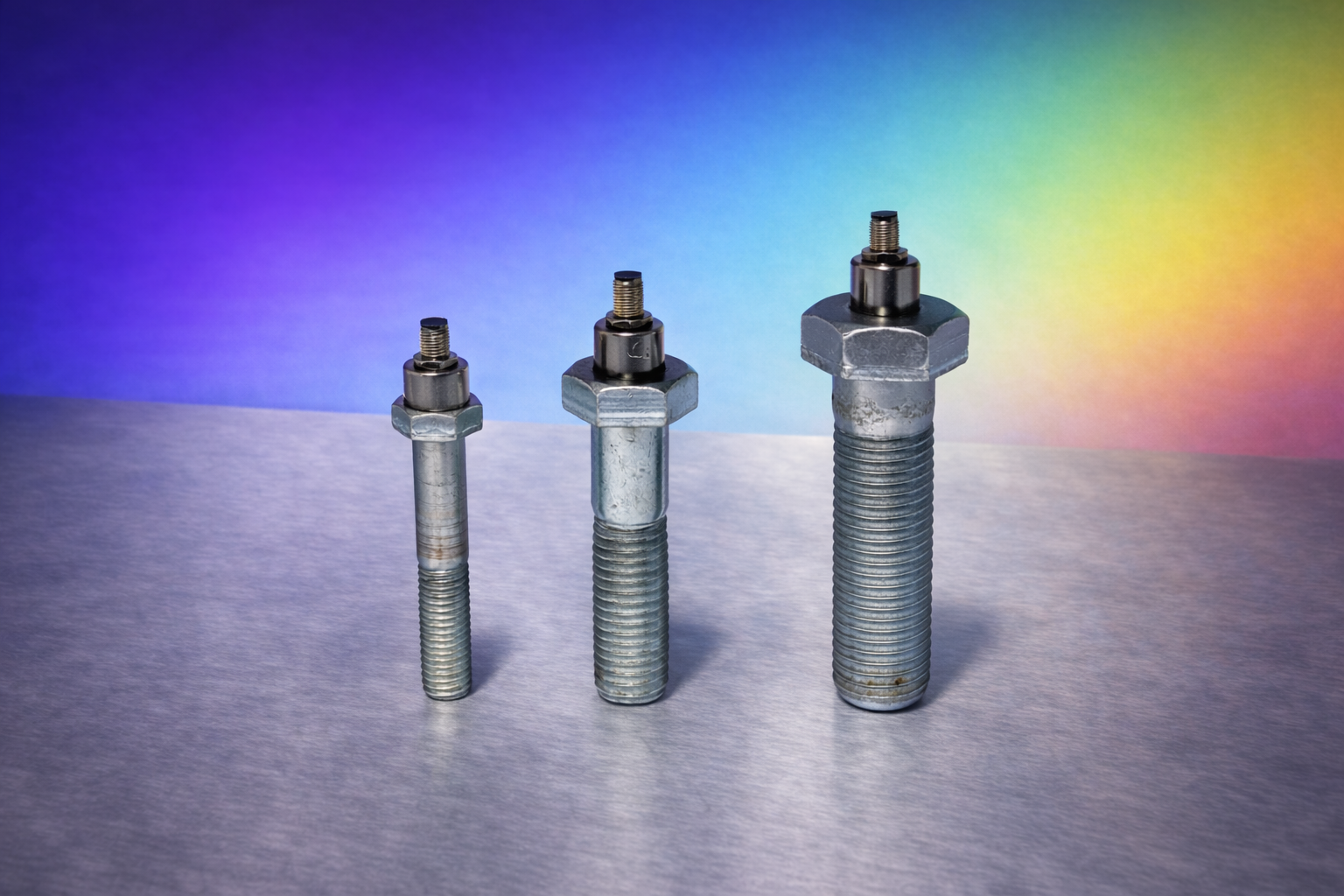
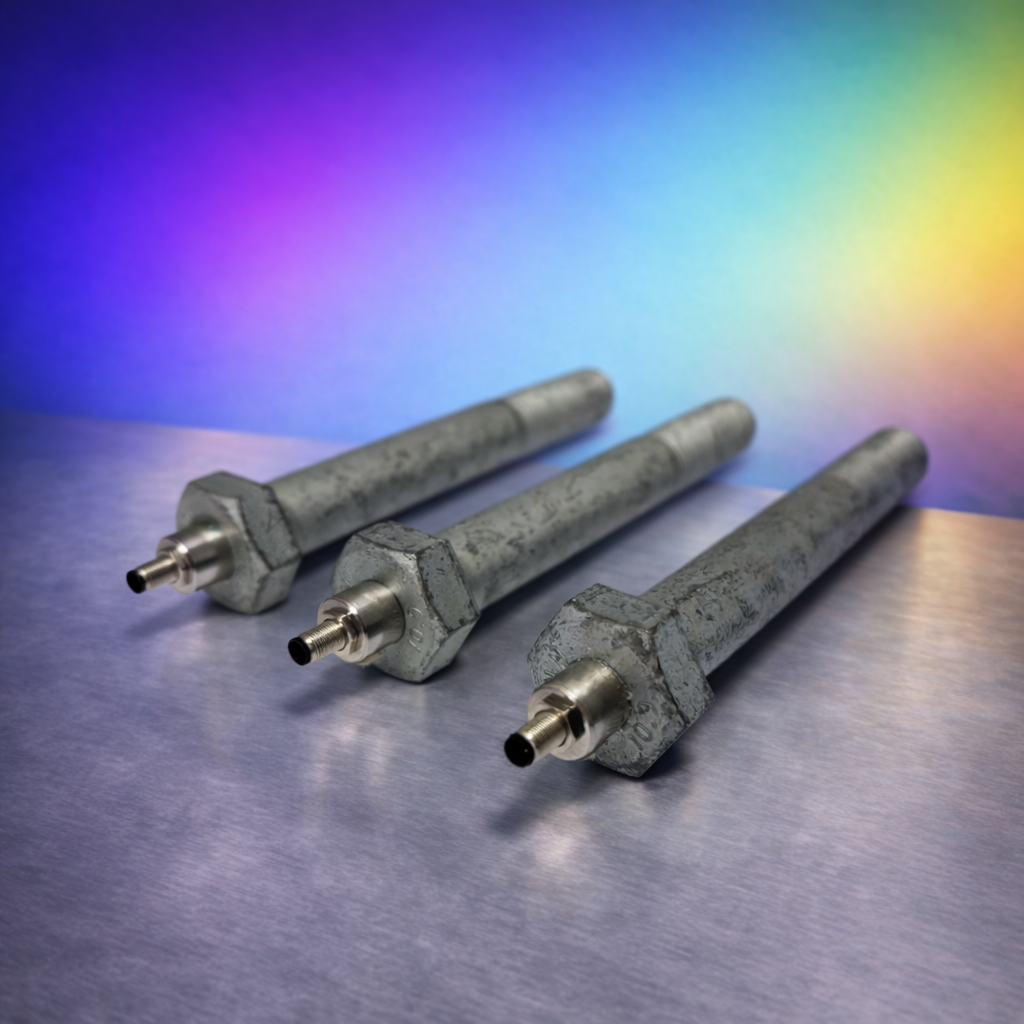
Databolt is Forcesure’s sensor-integrated smart bolt that measures actual bolt tension or clamp force in real time. As a product, it measures force directly in the bolt. More importantly, as a source of insight, it helps users understand how a connection behaves during installation, testing, operation, and over the long term.
That means Databolt does not simply add another data point. It makes a previously hidden aspect of bolted joints measurable at the connection level. In practice, this can support the establishment of a baseline, the tracking of change over time, and the interpretation of meaningful deviations in joint integrity.
A better way to understand bolted joints over time
The wider point is not that torque has no place. It does. Torque remains useful in assembly practice and in procedural control. However, if the question is whether a joint is still carrying the force it should, then torque is only a proxy, and often a rough one.
Clamp force is closer to the real mechanical condition of the connection. Therefore, it gives a stronger basis for assessing joint integrity, especially where structural joints and critical connections need more than a snapshot. It allows engineers and maintenance teams to move from inference towards direct local insight, which is often where the most useful decisions begin.
If you would like to see how measured clamp force can be read locally or followed over time, Forcesure can walk you through it in a short online demo. That is often the easiest way to see where the difference lies between a torque check and a measurable force signal from the joint itself.
FAQ
What is the difference between torque and clamp force in bolted joints?
Torque is the turning input applied to the fastener, while clamp force is the actual force holding the joint members together. Because friction and assembly conditions affect the relationship between the two, torque does not directly show the real force state of the connection.
Why are torque checks not enough to assess joint integrity?
Torque checks can be useful in installation and maintenance routines, but they remain an indirect indicator. They do not directly measure the bolt tension that determines whether the joint is still clamping as intended. That is why they can miss important changes in connection behaviour.
How do visual inspections and manual inspections fit into bolted joint assessment?
Visual inspections and manual inspections remain valuable for spotting visible damage, corrosion, movement, or other external signs. However, they do not directly reveal clamp force inside the connection, so they are often best combined with more direct measurements where the joint condition is critical.
Why is clamp force important in structural joints and critical connections?
Clamp force is what keeps the connected parts compressed and stable. If that force changes, the behaviour of the joint can change as well. In structural joints and critical connections, direct insight into clamp force can therefore support more informed maintenance and engineering decisions.
What does Databolt measure?
Databolt measures actual bolt tension or clamp force directly in the bolt. This allows users to establish a baseline, observe changes over time, and gain local insight into the behaviour of bolted joints during installation, testing, and operation.
Leave a Reply